In the past, the primary challenge associated with the information skill was finding the necessary data and resources. Libraries, archives, and physical documents were the main sources of information, requiring time and effort to locate. However, the digital age has transformed this landscape.

Today, information is abundant and easily accessible through the internet and various digital platforms. The current challenge is no longer finding information but sorting through the vast amounts of data and verifying its accuracy and reliability.
The Evolution of the Information Skill
- The Era of Information Scarcity
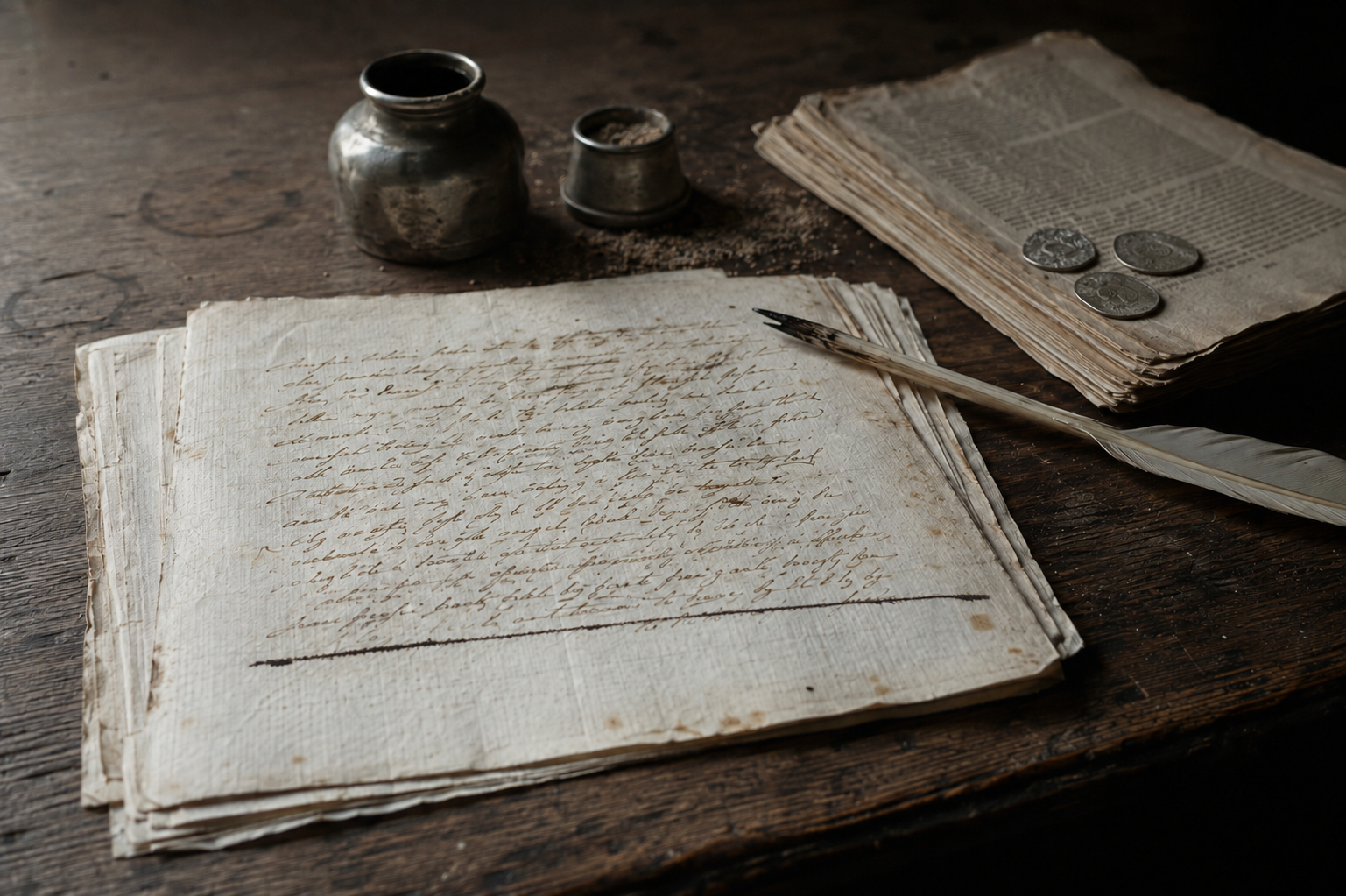
Before the digital revolution, accessing information was a labor-intensive process. Researchers, students, and professionals had to rely on libraries, encyclopedias, and academic journals. The scarcity of easily accessible information meant that finding the right data required significant effort and time. The primary skill was to know where to look and how to extract information from limited sources.
- The Information Explosion
With the advent of the internet, the information landscape changed dramatically. The World Wide Web, search engines, and digital databases made information readily available to anyone with an internet connection. This explosion of information brought about a new set of challenges: the overwhelming abundance of data and the varying quality and reliability of sources.
Sorting Information: Navigating the Overload
- Developing Critical Thinking Skills
In the age of information overload, critical thinking has become an essential skill. It involves analyzing and evaluating the vast amounts of information available to determine its relevance and reliability. Users must ask critical questions: Is the source credible? Is the information up-to-date? Is the content biased or objective? These questions help in filtering out irrelevant or unreliable information.
- Utilizing Advanced Search Techniques
Advanced search techniques are crucial for efficiently sorting information. Using specific keywords, Boolean operators, and advanced search filters can significantly narrow down search results. Additionally, leveraging specialized databases and academic search engines can help in finding more credible and relevant information.
- Organizing Information
Once relevant information is identified, organizing it systematically is essential. Tools such as note-taking apps, digital organizers, and project management software can help in categorizing and storing information for easy access and retrieval. Proper organization ensures that information is readily available when needed and can be used effectively.
Verifying Information: Ensuring Accuracy and Credibility
- Cross-Referencing Sources
One of the most effective ways to verify information is to cross-reference multiple sources. Comparing information from various credible sources can help in identifying discrepancies and confirming accuracy. It is important to rely on reputable sources such as academic journals, official publications, and established news outlets.
- Checking Author Credentials
Evaluating the credentials of the author or the organization providing the information is crucial. Experts and established institutions are more likely to provide accurate and reliable information. Checking the author’s qualifications, affiliations, and previous work can give insights into the credibility of the information.
- Using Fact-Checking Tools
There are several fact-checking tools and websites available that can help in verifying information. Websites such as Snopes, FactCheck.org, and PolitiFact provide resources for checking the accuracy of claims and debunking misinformation. Utilizing these tools can enhance the reliability of the information being used.
- Evaluating the Date of Publication
The relevance and accuracy of information can be influenced by its publication date. Ensuring that the information is current and up-to-date is essential, especially in rapidly evolving fields such as technology and medicine. Outdated information can lead to incorrect conclusions and decisions.
Conclusion
The evolution of the information skill from finding to sorting and verifying information reflects the changing dynamics of the digital age. Today, the ability to critically evaluate, organize, and verify information is paramount. By developing these skills, individuals can navigate the vast sea of information, ensuring that they use accurate, reliable, and relevant data to make informed decisions and achieve their goals.
Key Takeaways:
- Critical Thinking: Essential for evaluating the relevance and reliability of information.
- Advanced Search Techniques: Help narrow down search results and find credible sources.
- Organizing Information: Ensures systematic categorization and easy retrieval.
- Cross-Referencing Sources: Confirms accuracy by comparing multiple credible sources.
- Checking Author Credentials: Evaluates the expertise and reliability of the information provider.
- Using Fact-Checking Tools: Verifies claims and debunks misinformation.
- Evaluating Publication Dates: Ensures information is current and relevant.


Leave a Reply