The women’s movement has been a transformative force in shaping modern society, advocating for gender equality and challenging societal norms. From the early 1940s to the present, women have made significant strides in achieving legal, social, and economic rights.  This article traces the key moments in the women’s rights movement, highlighting the milestones from the suffrage movement to the contemporary #MeToo movement, including the recent overturning of Roe v. Wade and its far-reaching impacts.
Early 1940s: World War II and Women’s Workforce Participation
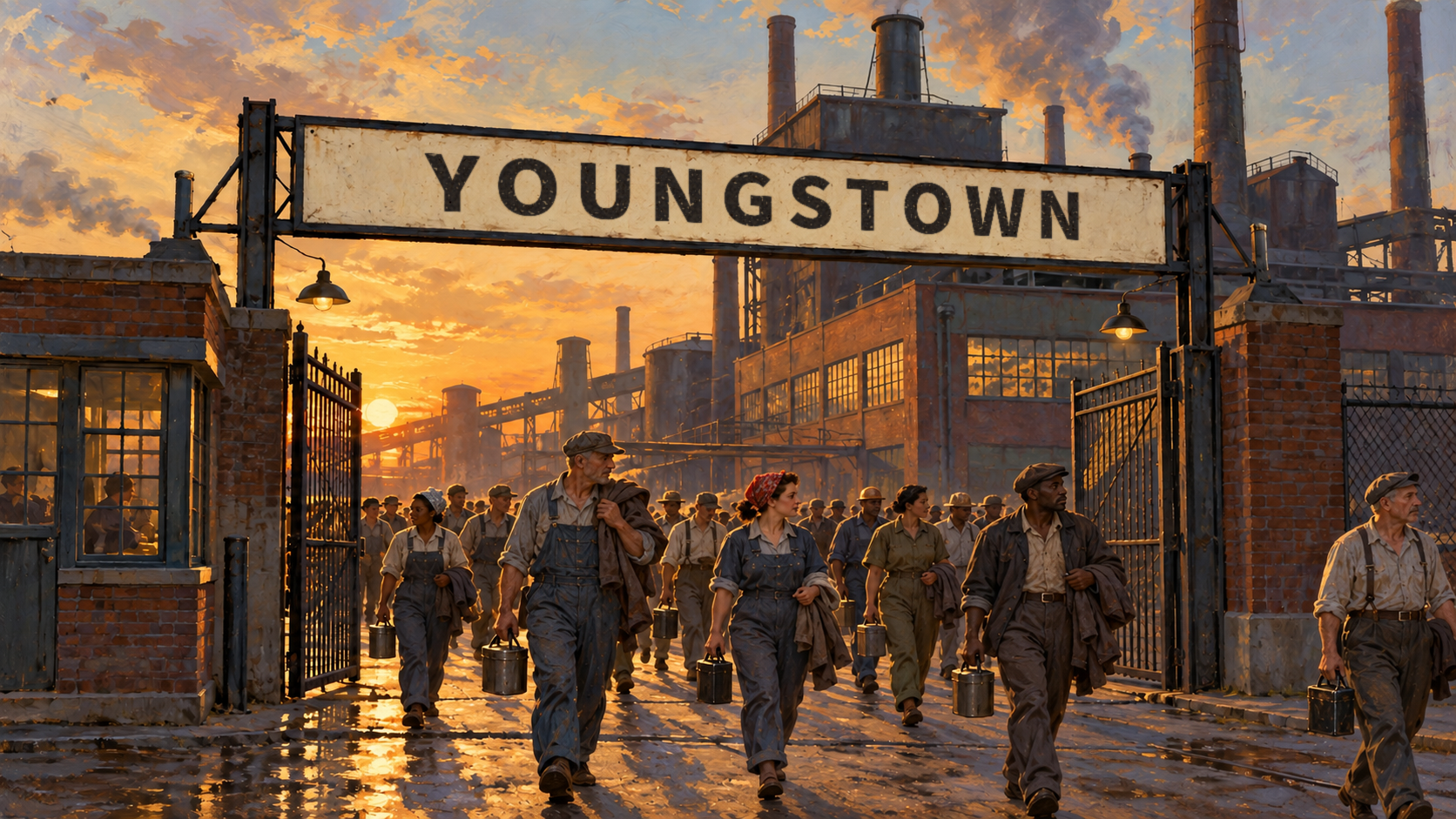
The early 1940s marked a pivotal moment for women as World War II necessitated their entry into the workforce. With men off to war, women took on roles traditionally reserved for men, demonstrating their capability and reshaping societal perceptions of gender roles. This period saw the iconic image of “Rosie the Riveter,” symbolizing women’s strength and independence.
1950s and 1960s: The Reawakening of Feminism
After World War II, many women returned to domestic roles, but the seeds of change had been planted. The 1950s and 1960s saw the reawakening of the feminist movement. Influential works like Betty Friedan’s “The Feminine Mystique” (1963) challenged the notion that women could only find fulfillment through homemaking and motherhood. Friedan’s work sparked widespread dissatisfaction among women, leading to the formation of organizations such as the National Organization for Women (NOW) in 1966, which advocated for equal rights and opportunities.
1970s: Legal Milestones and Broader Recognition
The 1970s were marked by significant legal and social advancements for women’s rights. Key legislation included Title IX (1972), prohibiting gender discrimination in federally funded education programs, and the landmark Roe v. Wade (1973) Supreme Court decision, which legalized abortion. The decade also witnessed the rise of the Women’s Liberation Movement, which addressed issues such as workplace discrimination, reproductive rights, and domestic violence. The movement’s advocacy led to the establishment of women’s shelters and crisis centers, providing support for victims of abuse.
1980s and 1990s: Expansion and Intersectionality
The feminist movement of the 1980s and 1990s expanded to include a broader range of issues and a more diverse group of voices. This period saw the rise of intersectional feminism, recognizing that women’s experiences are shaped by various factors, including race, class, and sexual orientation. Women of color, LGBTQ+ women, and working-class women began to play more prominent roles in the movement, highlighting the importance of addressing multiple layers of discrimination.
2000s: Continued Advocacy and Global Reach
The early 2000s saw continued advocacy for women’s rights, with a focus on global issues. The United Nations’ Fourth World Conference on Women in Beijing (1995) set forth a comprehensive agenda for women’s empowerment worldwide. Activists campaigned for issues such as combating human trafficking, improving maternal health, and promoting girls’ education. The digital age also facilitated new forms of activism, with social media becoming a powerful tool for organizing and raising awareness.
2010s: The #MeToo Movement and Renewed Momentum
The 2010s brought a renewed momentum to the feminist movement with the emergence of the #MeToo movement in 2017. Sparked by revelations of widespread sexual harassment and assault, the movement encouraged women to share their experiences and demand accountability from perpetrators. #MeToo highlighted the pervasive nature of gender-based violence and sparked global conversations about consent, power dynamics, and workplace safety.
2020s: Overturning of Roe v. Wade and Its Impact
In a landmark decision in 2022, the U.S. Supreme Court overturned Roe v. Wade, ending nearly five decades of federal protection for abortion rights. This decision returned the power to regulate abortion to individual states, leading to a patchwork of laws across the country. The overturning of Roe v. Wade has had profound implications, igniting protests and intensifying the political divide. For many women, it represented a significant setback in reproductive rights, galvanizing renewed activism and advocacy for women’s health and autonomy. The decision has underscored the ongoing struggle for women’s rights and highlighted the importance of vigilance and advocacy in protecting and advancing these rights.
Conclusion
From the early days of World War II to the powerful #MeToo movement and the recent overturning of Roe v. Wade, the women’s rights movement has achieved remarkable progress in advancing gender equality. Each era brought new challenges and victories, contributing to a more just and equitable society. While significant strides have been made, the journey continues as women and their allies work towards a future where gender equality is fully realized.
Key Takeaways
- World War II Impact: Women’s workforce participation during WWII challenged traditional gender roles and demonstrated women’s capabilities.
- Reawakening of Feminism: The 1950s and 1960s saw the revival of feminism, spurred by works like “The Feminine Mystique” and the formation of NOW.
- 1970s Legal Milestones: Title IX and Roe v. Wade were landmark achievements, addressing education equality and reproductive rights.
- Intersectional Feminism: The 1980s and 1990s expanded the movement to include diverse voices and address multiple layers of discrimination.
- Global Advocacy: The 2000s saw a focus on global women’s issues, with the digital age enhancing activism.
- #MeToo Movement: The 2010s #MeToo movement exposed widespread gender-based violence, sparking global conversations and demands for accountability.
- Overturning of Roe v. Wade: The 2022 Supreme Court decision ended federal protection for abortion rights, intensifying activism and highlighting the ongoing struggle for women’s reproductive rights.
The women’s rights movement continues to evolve, striving for a world where gender equality is not just an aspiration but a reality.
*Created with the assistance of my good friend, ChatGPT Pro.


Leave a Reply